IPL or Laser Hair Removal Explained: A UK Buyer's Guide
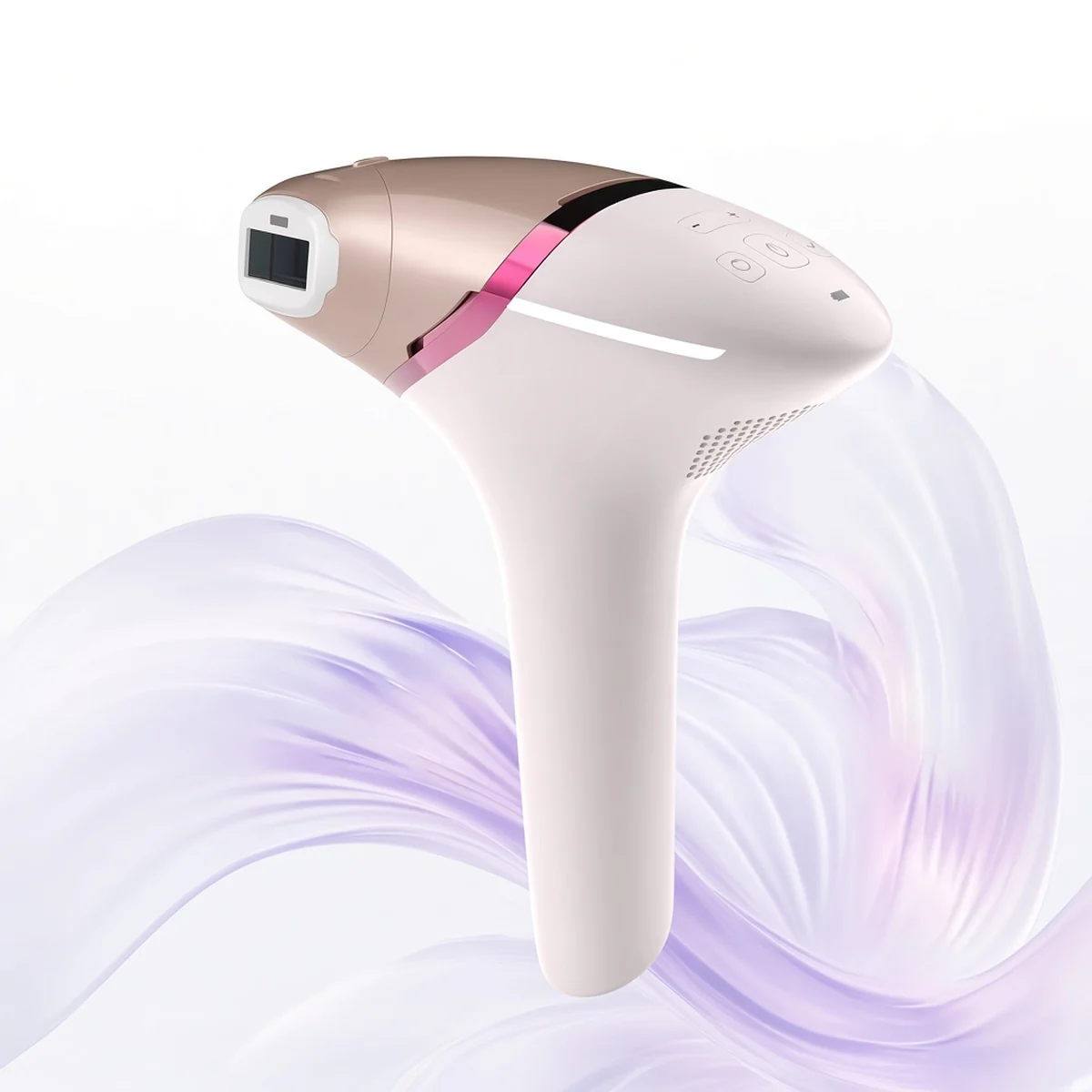
Short answer: IPL and laser are different light technologies used for the same goal — long-term hair reduction. Clinic laser is usually stronger per session and is done for you; home IPL is gentler, cheaper over time and fits around your own routine. For most UK shoppers weighing ipl or laser hair removal, the decision comes down to budget, convenience and how consistent you can be.
If you have spent the last year booking salon appointments every four to six weeks — blocking out the commute and the waiting-room time, and occasionally losing a deposit when work runs late — you already know the real cost of professional treatment is as much about your diary as your bank balance. This guide compares clinic laser with a premium at-home IPL device so you can decide which actually suits your life, not just which sounds more advanced.
Key takeaways
- IPL uses broad-spectrum light; laser uses a single concentrated wavelength. Both target pigment in the hair to slow regrowth over repeated sessions.
- Clinic laser is typically stronger and practitioner-led, but a full course across several areas adds up quickly and often needs ongoing maintenance visits.
- Home IPL is a one-off device cost that then treats legs, underarms, bikini line and face on your own evening schedule — no rebooking, no travel.
- Both work best with clear contrast between dark hair and lighter skin; neither is a guaranteed permanent fix.
IPL or laser hair removal: what is the real difference?
The biggest source of confusion in the UK is that shoppers use "laser" as a catch-all term. Technically the two are distinct.
How IPL works
IPL stands for Intense Pulsed Light. It sends broad-spectrum light across a range of wavelengths; melanin in the hair absorbs that energy and the follicle is nudged into a resting phase. At-home devices run at lower energy than clinic systems, which is exactly why they are designed for gradual use over several weeks rather than one dramatic session. This cordless handset adds a skin-contact sensor and five energy settings so you can start lower after the skin test.
How clinic laser works
Laser uses a single, focused wavelength aimed at the follicle. UK clinics may use alexandrite, diode or Nd:YAG systems depending on your skin tone. Because the energy is more targeted and delivered by a trained operator, each session can be stronger and faster than home IPL — but it comes with a clinic setting, supervision and a per-session price.
Cost comparison: clinic laser versus home IPL over a year
This is usually where the decision becomes clearer. Clinic pricing varies sharply by city, machine and body area, but as a rough guide a small area such as underarms often costs around £40–£80 per session, while larger areas such as lower legs can run from roughly £120–£300 per session. A recommended initial course is commonly six to eight sessions, so a single larger area can total several hundred to well over a thousand pounds — before the maintenance sessions many people still need each year.
A premium home IPL device, by contrast, is a one-off outlay of a few hundred pounds that then covers multiple areas for the life of the handset. If you are treating just one small area, a clinic can be competitive; the moment you want legs and underarms and bikini line, a home device usually wins on total spend. Ask any clinic for a written plan with the full expected cost, not just the per-session headline.
Results and maintenance: what to expect
Both routes aim for long-term reduction, not guaranteed permanent removal in every case. The NHS notes that several treatments are usually needed and that results can be long-lasting but not always permanent, and that light-based methods work best on pale-to-medium skin with dark hair. Judge success by less regrowth, finer hair and far less shaving — not an all-or-nothing promise. With a clinic, maintenance is billed per visit; with a home device, the occasional top-up is simply part of owning it.
Safety, regulation and skin tone in the UK
For home devices, look for clear instructions, contraindications, patch-testing guidance and recognised electrical safety marks. For clinics, ask which device is used, who operates it and what aftercare is included. Take extra care — and speak to a GP or qualified practitioner first — if you have very dark skin, very light, grey or red hair, eczema or psoriasis in the area, take photosensitising medicines, or have unusual moles. A patch test 24 to 48 hours before treatment is non-negotiable either way.
Who should choose home IPL, and who should choose clinic laser
Home IPL tends to suit you if you want privacy, plan to treat several areas, prefer a lower long-term spend and are happy to follow a schedule at home rather than build your week around appointments. Clinic laser may suit you better if you want a trained practitioner to handle everything, you are treating one stubborn area, or you have been advised a particular laser type suits your skin. If you are leaning towards the at-home route, our this cordless IPL handset review weighs up whether the flagship device is worth it, and our How this cordless IPL handset works at home explains why an IPL device is often searched for as "laser".
A premium at-home option for the IPL or laser hair removal decision
If the convenience and long-term maths point you towards home IPL, one device does the job across every area. At Barevia, the Cordless IPL Hair Removal Handset with 3 Heads is £198.49. It uses intense pulsed light with five energy settings, a skin-contact sensor and three interchangeable heads for the body, face and bikini line. Charge it with the included 12 V / 3 A UK-plug adapter, then use the handset cordless. Rated 65 W, with a 560–1200 nm light range. Keep the handset dry. It is rated 4.9 out of 5 from 441 reviews, with free UK delivery and 30-day returns.
Frequently asked questions
Is IPL or laser hair removal better for UK home users?
For most people treating several areas at home, IPL is the more practical choice because a single device covers legs, underarms, bikini line and face on your own schedule without repeat appointments. Clinic laser can be stronger per session and is worth considering for one stubborn area or if you would rather a practitioner did the work.
Is home IPL cheaper than salon waxing or laser over a year?
It usually works out cheaper once you treat more than one area. A premium home IPL device is a one-off cost of a few hundred pounds, whereas a laser course of six to eight sessions per area, or ongoing waxing every few weeks, keeps adding up. If you only ever treat one small area, a clinic can be competitive.
Does home IPL actually work?
Yes, for suitable users who follow the schedule. It works best where there is clear contrast between dark hair and lighter skin, and it delivers gradual, long-term reduction rather than instant permanent removal. Visible reduction builds over repeated sessions; there is no hair reduction after three treatments when its schedule is followed.
Is this cordless IPL handset a laser or an IPL device?
This cordless IPL handset is an IPL device, true laser, even though it is often searched for as laser hair removal. It uses broad-spectrum light rather than a single concentrated wavelength, which is what makes it suitable for safe use at home.