Ipl Or Laser Hair Removal Explained: A UK Buyer's Guide
Choosing between IPL or laser hair removal can feel expensive before you've spent a penny. One option promises clinic-grade precision. The other offers at-home convenience with lower running costs. For UK shoppers in 2026, the real question isn’t which sounds more advanced on paper. It’s which method fits your skin tone, hair colour, budget, pain tolerance and willingness to keep up with treatments.
At Barevia, we’ve spent years reviewing home-use hair removal technology with a close eye on safety standards, real-world usability and long-term value. We also know many shoppers searching for “laser” are often comparing professional laser clinics with premium home IPL devices such as Philips Lumea. That’s why this guide focuses tightly on ipl or laser hair removal, explaining the differences in plain English, with UK-specific advice you can actually use.
Key Takeaways
- IPL and laser aren’t the same: IPL uses broad-spectrum light, while laser uses a single concentrated wavelength.
- Clinic laser is usually stronger: It can suit people wanting faster professional treatment plans, though it often costs far more upfront.
- Home IPL is usually more affordable: A premium device can cost hundreds of pounds rather than the four-figure total many people spend in clinics over multiple sessions.
- Results depend on contrast: Both methods work best when there’s a clear difference between hair pigment and skin tone.
- Safety matters: Follow manufacturer guidance, patch test, and check NHS-backed advice if you have skin conditions, unusual moles, or medical concerns.
- For many UK home users: Intelligent IPL is the more practical choice for legs, underarms, bikini line and facial hair management over time.
IPL or laser hair removal: what’s the actual difference?
The biggest confusion in the UK market is that shoppers often use “laser hair removal” as a catch-all term. Technically, IPL and laser are different technologies.
How IPL works
IPL stands for Intense Pulsed Light. It delivers broad-spectrum light energy across a range of wavelengths. That light is absorbed by melanin in the hair, which helps disrupt the hair growth cycle over repeated treatments. Home devices are designed with lower energy output than clinic systems, which is why they’re built for gradual use over several weeks rather than one-off dramatic results.
Premium devices such as the Philips Lumea range use built-in skin tone sensors and multiple intensity settings to help improve safety and consistency. In our experience, that matters far more than flashy marketing terms. A device that guides the user properly is usually the better long-term buy.
How laser hair removal works
Laser hair removal uses a single, focused wavelength of light aimed at the hair follicle. In UK clinics, practitioners may use alexandrite, diode or Nd:YAG laser systems depending on skin tone and treatment goals. Because the energy is more targeted and administered by trained operators, laser treatment can be faster and more powerful per session than home IPL.
That doesn’t mean laser automatically wins. It means the treatment setting, supervision and cost structure are different.
Why the distinction matters for buyers
If you’re deciding between ipl or laser hair removal, the practical difference comes down to three things: treatment strength, convenience and total spend. Clinic laser is typically stronger. Home IPL is typically easier to fit into everyday life. For many households, convenience is what keeps the treatment plan going long enough to see worthwhile reduction.
Which is better for UK buyers in 2026?
“Better” depends on your priorities. We’ve tested enough devices and studied enough treatment journeys to say there isn’t one universal answer.
Choose laser if you want professional treatment and can afford it
Clinic laser may be the better route if you want practitioner-led sessions, you’re treating a stubborn area, or you’d rather not handle the process yourself. In major UK cities, prices vary sharply. A small area might cost around £40 to £80 per session, while larger areas such as full legs can range from roughly £120 to £300 per session depending on the clinic, machine and location. Across 6 to 10 sessions, total spend can easily reach £700 to £2,000 or more.
That cost doesn’t automatically include future maintenance sessions, which many people need. We always advise buyers to ask clinics for a written treatment plan with total expected spend, not just per-session pricing.
Choose home IPL if you want control, privacy and lower long-term cost
A premium home IPL device can make more financial sense if you want to treat legs, underarms, bikini line and facial areas over time without booking appointments. For many users, one device purchase replaces repeated clinic visits. It also lets you top up as needed.
This is where the “philips lumea at home” proposition makes sense. It’s not trying to be a clinic laser machine. It’s a premium at-home alternative for people who want smooth skin with intelligent IPL care, especially when convenience matters as much as headline power.
If you’re comparing models, our detailed guide to Lumea Prestige Philips in the UK explains how Philips home IPL fits into a broader buying decision.
Cost comparison: IPL or laser hair removal over 12 months
For most buyers, cost is where the decision becomes clearer.
Typical clinic laser costs in the UK
UK laser clinics usually recommend an initial course of 6 to 8 sessions, spaced several weeks apart, followed by maintenance. Depending on body area and clinic location, annual costs often look like this:
- Underarms: around £240 to £640 for 6 to 8 sessions
- Bikini line: around £300 to £800 for 6 to 8 sessions
- Lower legs: around £720 to £2,400 for 6 to 8 sessions
- Maintenance: often 1 to 3 extra sessions per year
London clinics often sit at the upper end. Regional clinics can be lower, though promotional bundles don’t always reduce the true cost by much once maintenance is added.
Typical home IPL costs in the UK
A premium home IPL device often costs a few hundred pounds upfront. After that, the ongoing cost is usually minimal unless you replace the handset years later. The Philips Lumea 9000 Series, for example, is positioned as a long-term device with 450,000 flashes and a five-year warranty, which changes the value calculation quite a bit for regular users.
Expert aside from our technical team: when we assess value, we don’t just divide the device price by flash count. We look at whether users will realistically keep using it. Cordless handling, smart attachments and sensible treatment intervals often matter more than raw numbers alone.
Best value by user type
- One small area only: clinic laser may be competitive on cost
- Multiple body areas: home IPL often becomes far more economical
- Shared household use: a premium IPL device can deliver especially strong value, subject to hygiene and manufacturer guidance
Results: which gives longer-lasting hair reduction?
Both methods are designed for long-term hair reduction, not guaranteed permanent hair removal in every case. Hormones, genetics, hair density and consistency of use all affect outcomes.
What the evidence says
The NHS guide to laser hair removal notes that several treatments are usually needed and that hair reduction can be long-lasting, though not always permanent. That aligns with what we see in practice: buyers who expect “done forever” after a handful of sessions are often disappointed, regardless of technology.
The NHS also highlights that laser and light-based systems work best on people with pale to medium skin and dark hair because the contrast makes targeting easier. That remains one of the most important facts in this whole category.
What to expect from home IPL
High-quality home IPL devices can deliver visible reduction after a structured programme, followed by touch-up sessions. Philips has published consumer-facing performance claims for Lumea use over a maintenance cycle, and while individual results vary, the broad pattern is consistent with category expectations: repeated use first, maintenance second.
If you want a deeper look at performance claims, treatment schedules and who these devices suit, our Philips Lumea review explained: a UK buyer’s guide breaks that down in more detail.
What to expect from clinic laser
Professional laser can produce faster visible change for some users, especially on coarse dark hair. Yet maintenance is still common. Hair may become finer, patchier and slower-growing rather than disappearing uniformly.
That’s why we advise shoppers to judge “success” by reduction in regrowth, shaving frequency and texture, not by an unrealistic all-or-nothing promise.
Safety, regulation and skin tone considerations in the UK
Safety isn’t a box-ticking issue here. It’s central to choosing between ipl or laser hair removal.
What UK buyers should check
For home devices, look for clear instructions, contraindications, patch testing guidance and recognised electrical safety compliance. For clinic treatment, ask what device is being used, who will operate it, how patch testing is handled and what aftercare is included.
The NICE medical technologies guidance offers a good example of how UK buyers can use evidence-led sources when judging device claims. We also recommend reading independent product assessments from Which? where relevant, especially for high-value purchases.
Who should take extra care
- People with very dark skin tones or very light, grey, red or white hair
- Anyone with eczema, psoriasis, active infections or broken skin in the treatment area
- People taking photosensitising medicines
- Those with unusual moles, a history of skin cancer concerns, or undiagnosed pigmentation changes
If any of those apply, speak to a GP, dermatologist or qualified practitioner before treatment. The NHS advice on cosmetic procedures is a sensible starting point for safety questions.
Patch testing is non-negotiable
We always recommend a patch test 24 to 48 hours before full treatment, whether you’re using home IPL or booking a clinic appointment. It’s a simple step that can prevent a lot of trouble.
Expert aside from our technical team: the users who get the smoothest, safest results are rarely the ones using the highest intensity from day one. They’re the ones who patch test, follow the schedule and don’t rush.
Pain, convenience and maintenance: daily life matters
Technology comparisons often ignore the boring but important part: whether you’ll actually keep doing it.
Does laser hurt more than IPL?
Many users report clinic laser feels sharper, like an elastic band snap with heat. Home IPL is often described as milder, though sensation varies by device setting and treatment area. Underarms and bikini areas usually feel stronger than legs because the skin is more sensitive.
There isn’t a universal pain scale, but there is a practical truth: if treatment feels too intense, many people stop. Consistency drops, and so do results.
Which is easier to keep up with?
Home IPL usually wins on convenience. There’s no travel, no appointment diary, and no need to build your week around a clinic slot. That matters more than it may sound. A 15 to 30 minute home session every couple of weeks is often easier to sustain than repeated in-person visits, especially for busy households.
If you’re exploring Philips specifically, our Philips Lumea laser hair removal explained: a UK buyer’s guide covers where home-use light technology fits compared with salon expectations.
Maintenance is part of both options
Neither route is a one-and-done fix. Laser often needs maintenance. IPL definitely relies on maintenance. The difference is that with a home device, maintenance is built into ownership rather than billed per visit.
Who should choose home IPL instead of clinic laser?
In our view, home IPL is often the smarter choice for UK buyers who recognise themselves in the list below:
- You want privacy and don’t fancy repeated clinic appointments
- You plan to treat several areas, such as legs, underarms and bikini line
- You prefer lower long-term spend over a higher upfront device cost
- You’re happy following a treatment schedule at home
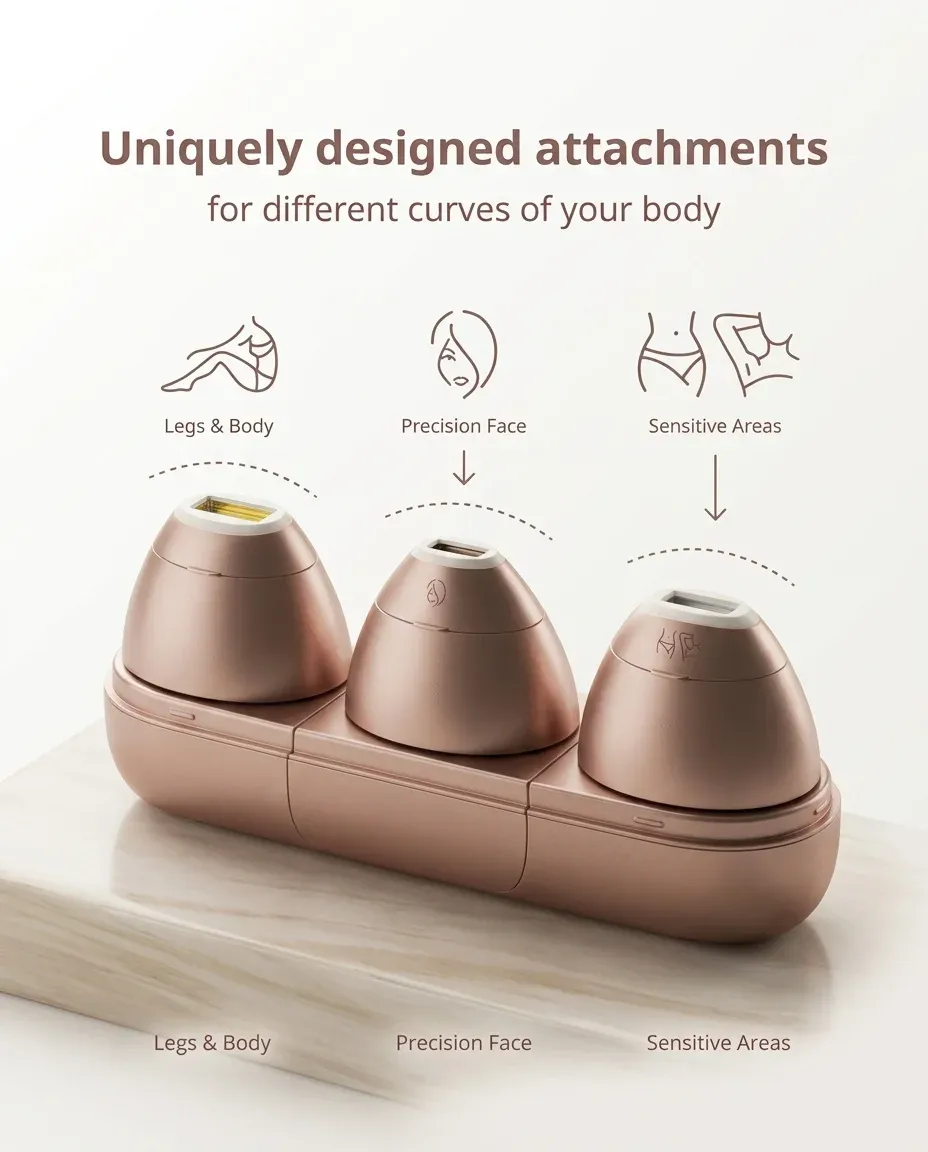
- You want intelligent features such as skin tone sensing and area-specific attachments
This is exactly why premium devices sit in a strong position in the market. The appeal isn’t only hair reduction. It’s predictable use at home, without turning grooming into an ongoing booking commitment.
For a broader overview of Philips Lumea technology, accessories and UK buying considerations, see our Ultimate Guide to Lumea Prestige Philips in the UK. It’s a useful companion if you’re comparing generations or deciding whether a premium device is worth it.
Who should choose clinic laser instead?
Clinic laser may suit you better if:
- You want treatment delivered by a trained practitioner
- You’re comfortable with a higher overall spend
- You’d rather not manage settings, intervals and application yourself
- You’ve been advised that a particular clinic laser type may suit your skin tone better
Ask direct questions before booking: what machine will be used, how many sessions are typical, what happens if you miss appointments, and what the likely maintenance plan looks like after the initial course.
Our verdict on IPL or laser hair removal
For most at-home buyers in the UK, the decision comes down to this: if you want the strongest professional route and you’re willing to pay for repeated clinic sessions, laser can be a solid option. If you want a practical, privacy-friendly and cost-conscious long-term solution, premium home IPL is often the better fit.
That’s why so many shoppers searching for “laser hair removal machine at home” end up choosing intelligent IPL instead. It offers the closest match to what they actually want: smoother skin, less regrowth, sensible treatment times and control over the process at home.
Within that category, Philips Lumea remains one of the most recognisable premium options for UK users, especially if you value smart attachments, cordless handling on selected models, multiple intensity levels and established brand support.
Ready to compare a premium at-home alternative?
If you’re leaning towards intelligent IPL rather than ongoing clinic bookings, explore Barevia’s featured Philips option. The Philips Lumea 9000 Series IPL Hair Removal Device is designed for at-home use with SenseIQ technology, 450,000 flashes, smart attachments for body, face and bikini areas, and a five-year warranty.
Shop the Philips Lumea at Barevia and compare whether a premium at-home device is the right fit for your routine, budget and skin goals.
Frequently Asked Questions
Is IPL better than laser hair removal?
Not universally. Clinic laser is usually stronger and may deliver faster results for some users, while home IPL is more convenient and often far cheaper over time. The better choice depends on your budget, skin tone, hair colour and whether you’ll stick to the treatment plan.
Does home IPL actually work?
Yes, for suitable users and with consistent use. Home IPL works best on darker hair with lighter to medium skin tones, and it usually requires an initial schedule followed by maintenance. It’s best thought of as long-term hair reduction rather than instant permanent removal.
Is Philips Lumea laser or IPL?
Philips Lumea is an IPL device, not a laser. It uses intense pulsed light designed for home use, with features intended to help users treat different body areas safely and consistently.
How many sessions of laser or IPL do you need?
Most users need multiple treatments because hair grows in cycles. Clinic laser often involves around 6 to 8 sessions initially, while home IPL follows a scheduled programme over several weeks, then maintenance as needed. Exact timing varies by body area, hair type and individual response.
Ready to try Barevia?
Shop Now — £349.99